
EXAMS · SÃO PAULO
Upper endoscopy (EGD): preparation, sedation and cost
How to prepare, what changes with biopsy and H. pylori testing, and the cost for each appointment time.

Who performs your exam

CRM-SP 172589 · RQE 87827 · RQE 87828 · RQE 99372
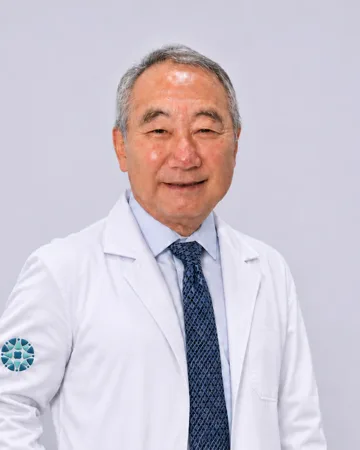
CRM-SP 31530 · RQE 3811
Understand the exam
Upper endoscopy (EGD) shows the inner lining of the esophagus, stomach, and duodenum, the first part of the small intestine. It is used to investigate causes of indigestion (dyspepsia, which can cause upper abdominal pain or discomfort, nausea, or vomiting), gastroesophageal reflux, or persistent heartburn — including when alarm signs are present, such as difficulty or pain with swallowing (dysphagia or odynophagia), persistent vomiting, weight loss, digestive tract bleeding, or iron deficiency anemia with no apparent cause.
During the exam, the doctor may collect small tissue samples from the inner lining (biopsies) for examination under a microscope. One of the listed options includes the rapid urease test, a diagnostic alternative to histopathology in which two samples (from the antrum and body of the stomach) are collected to test for Helicobacter pylori, a bacterium associated with chronic gastritis, peptic ulcers, and gastric cancer.
How it is done
Before starting, you may receive intravenous sedation (in your arm or hand) to help you stay relaxed and comfortable, along with a liquid or spray anesthetic in your throat to prevent the gag reflex. While you lie on your side, the doctor carefully passes the endoscope through the esophagus into the stomach and duodenum; a small camera on the instrument sends images to a monitor to examine the inner lining. The endoscope does not interfere with breathing, and many people fall asleep during the procedure. If needed, the doctor collects small tissue samples or removes polyps. The exact time depends on the case; the catalog lists the duration for each option. Afterward, you remain under observation while the sedation wears off.
When it is recommended
- Heartburn or reflux that does not improve
- Upper abdominal pain or discomfort, or dyspepsia (indigestion)
- Difficulty or pain with swallowing (dysphagia or odynophagia)
- Nausea, persistent vomiting, or weight loss
- Iron deficiency anemia with no apparent cause or signs of digestive tract bleeding
- H. pylori testing and evaluation of the gastric mucosa with biopsies in people with alarm signs, dyspepsia starting at age 40, failure of antisecretory therapy or the test-and-treat strategy, or relatives ages 30 or older of patients with gastric cancer (may include the rapid urease test)
Does the exam hurt?
Sedation helps you stay relaxed and comfortable during the procedure: many people fall asleep during the exam, and you do not feel the small tissue samples being collected. During endoscopy, the instrument may introduce air into the stomach and duodenum to improve visibility; afterward, you may briefly experience bloating, nausea, or a sore throat. The risks of upper endoscopy (EGD) are low and may include a reaction to the sedative (including breathing or heart problems), perforation of the upper digestive tract wall, and bleeding. Bleeding is generally mild and stops without treatment, a reaction to the sedative can be treated by the doctor with medications or intravenous fluids, and serious problems such as perforation are rare. The preparation instructions in the catalog also warn that sedation can rarely affect breathing, blood pressure, or the heart, with monitoring by the team.
Exam preparation
- Light diet the day before: Avoid foods that are difficult to digest, such as red meat, fried foods and dishes with fatty sauces (such as cheese-based sauces); - Fast from solid foods for 8 to 12h before the exam; - Water and juice are allowed until 4h before the exam; Stopping medications: Antacids, such as effervescent antacid salts, sodium bicarbonate, aluminum hydroxide, magnesium hydroxide and ranitidine, among others; Anticoagulants, such as aspirin (acetylsalicylic acid) and similar medications to “thin the blood,” because they can cause bleeding if a biopsy sample is collected or polyps are removed; Diabetes medications, such as insulin, because they can cause episodes of hypoglycemia. For patients with diabetes, the usual guidance is to schedule the endoscopy early in the morning and use insulin after the exam.
- Light diet the day before: Avoid foods that are difficult to digest, such as red meat, fried foods and dishes with fatty sauces (such as cheese-based sauces); - Fast from solid foods for 8 to 12h before the exam; - Water and juice are allowed until 4h before the exam; Stopping medications: Antacids, such as effervescent antacid salts, sodium bicarbonate, aluminum hydroxide, magnesium hydroxide and ranitidine, among others; Anticoagulants, such as aspirin (acetylsalicylic acid) and similar medications to “thin the blood,” because they can cause bleeding if a biopsy sample is collected or polyps are removed; Diabetes medications, such as insulin, because they can cause episodes of hypoglycemia. For patients with diabetes, the usual guidance is to schedule the endoscopy early in the morning and use insulin after the exam.
- Light diet the day before: Avoid foods that are difficult to digest, such as red meat, fried foods and dishes with fatty sauces (such as cheese-based sauces); - Fast from solid foods for 8 to 12h before the exam; - Water and juice are allowed until 4h before the exam; Stopping medications: Antacids, such as effervescent antacid salts, sodium bicarbonate, aluminum hydroxide, magnesium hydroxide and ranitidine, among others; Anticoagulants, such as aspirin (acetylsalicylic acid) and similar medications to “thin the blood,” because they can cause bleeding if a biopsy sample is collected or polyps are removed; Diabetes medications, such as insulin, because they can cause episodes of hypoglycemia. For patients with diabetes, the usual guidance is to schedule the endoscopy early in the morning and use insulin after the exam.
- Light diet the day before: Avoid foods that are difficult to digest, such as red meat, fried foods and dishes with fatty sauces (such as cheese-based sauces); - Fast from solid foods for 8 to 12h before the exam; - Water and juice are allowed until 4h before the exam; Stopping medications: Antacids, such as effervescent antacid salts, sodium bicarbonate, aluminum hydroxide, magnesium hydroxide and ranitidine, among others; Anticoagulants, such as aspirin (acetylsalicylic acid) and similar medications to “thin the blood,” because they can cause bleeding if a biopsy sample is collected or polyps are removed; Diabetes medications, such as insulin, because they can cause episodes of hypoglycemia. For patients with diabetes, the usual guidance is to schedule the endoscopy early in the morning and use insulin after the exam.
After the exam
Cost and health plans
| Exam | Self-pay | Duration | Health plans |
|---|---|---|---|
| Upper endoscopy (EGD) with biopsy and urease test (Helicobacter pylori detection) | Starting at R$ 590.00 (≈ US$ 103, estimated) | 10 minutes | Abas, Bradesco, Mediservice, Omint |
| Upper endoscopy (EGD) with an anesthesiologist | Starting at R$ 590.00 (≈ US$ 103, estimated) | 15 minutes | Abas, Bradesco, Mediservice, Omint |
| Upper endoscopy (EGD) with an anesthesiologist, biopsy, and urease test (H. pylori) | Starting at R$ 590.00 (≈ US$ 103, estimated) | 15 minutes | Abas, Bradesco, Mediservice, Omint |
| Upper endoscopy (EGD) with sedation | Starting at R$ 590.00 (≈ US$ 103, estimated) | 15 minutes | Abas, Bradesco, Mediservice, Omint |
| Upper endoscopy (EGD) with sedation, biopsy, and urease test (H. pylori) | Starting at R$ 590.00 (≈ US$ 103, estimated) | 15 minutes | Abas, Bradesco, Mediservice, Omint |
The team confirms the requested option, coverage, and conditions before booking.
Schedule onlineFrequently asked questions
Why are there different prices for upper endoscopy?
The price varies by appointment time: morning appointments have one price, and afternoon appointments starting at the time listed in the table have another. Each option, with sedation, an anesthesiologist or biopsy with urease testing, has its own price in the table on this page, retrieved from the clinic's records on the date indicated.
How should I prepare?
The official preparation instructions from the clinic's records are reproduced on this page: light meals the day before, fasting from solid foods and medication instructions. Follow this text and the PDF our team sends. If you take anticoagulants or antiplatelet medication, do not stop on your own; notify our team beforehand to receive the doctor's instructions.
Do I need to bring a companion?
Yes. The preparation instructions on file are clear: come with an adult companion who stays with you from arrival until discharge. The exam cannot be performed without a companion. If you need a companion service, speak with our team before booking.
What is the urease test?
It is a rapid test performed during endoscopic exams, used as a diagnostic alternative to histopathology, in which two samples (from the antrum and body of the stomach) are collected to test for Helicobacter pylori, a bacterium associated with chronic gastritis, peptic ulcers, and gastric cancer. Some listed options already include this test, but it is not recommended on its own to confirm eradication of the bacterium, and recent use of proton pump inhibitors, antibiotics, or bismuth may produce a false-negative result. For histological analysis (pathology) and assessment of gastric mucosal integrity, at least four biopsies are recommended — two from the antrum and two from the gastric body, placed in separate, properly labeled containers — with two antral and two body biopsies also recommended for suspected H. pylori and gastritis staging.
Can I have an upper endoscopy through my health plan?
The health plan table on this page shows plans with coverage on file. Our team confirms actual coverage, contract terms and available dates. If a biopsy is performed, the additional charge follows your plan's contract.
When can I eat after the exam?
According to the preparation instructions on file, after the exam you should eat something light and warm, go home with someone and avoid driving or operating machinery for the rest of the day. Avoid alcohol. Other restrictions depend on any procedures performed, and the doctor will explain them at discharge.
Do I need to stop using weight loss injection pens?
The preparation instructions on file advise stopping injectable weight-loss medications (for example, Ozempic or Mounjaro) and notifying the team, following the timing specified in those instructions. Do not decide on your own: speak with the team and the doctor who prescribed the medication before the exam.
Where we see patients
References
- National Institute of Diabetes and Digestive and Kidney Diseases (NIDDK). Upper GI Endoscopy. NIH. 2023.
- National Institute of Diabetes and Digestive and Kidney Diseases (NIDDK). Diagnosis of Indigestion. NIH. 2025.
- National Institute of Diabetes and Digestive and Kidney Diseases (NIDDK). Symptoms & Causes of Gastritis & Gastropathy. NIH. 2019.
- National Institute of Diabetes and Digestive and Kidney Diseases (NIDDK). Diagnosis of Gastritis & Gastropathy. NIH. 2019.
- Desai M, Ruan W, Thosani NC, et al. American Society for Gastrointestinal Endoscopy guideline on the diagnosis and management of GERD: summary and recommendations. Gastrointest Endosc. 2025.
- Coelho LGV, Sanches BSF, Maguilnik I, et al. Vth Brazilian Consensus Conference on Helicobacter pylori infection. Arq Gastroenterol. 2026;63:e26043.
- Pouw RE, Barret M, Biermann K, et al. Endoscopic tissue sampling - Part 1: Upper gastrointestinal and hepatopancreatobiliary tracts. European Society of Gastrointestinal Endoscopy (ESGE) Guideline. Endoscopy. 2021.
This content is informational and does not replace a consultation.
Updated on